I’m delighted to announce that my chapter on „The Geomorphology of the City of Berlin“ is out now in the book „Landscapes and Landforms of Germany“ edited by F. Lehmkuhl, M. Böse, and M. Krautblatter. It makes me happy having contributed to the World Geomorphological Landscapes Series, especially as some of the books in this series, especially those about Ethiopia and Afar, have been incredibly helpful to me in the past.
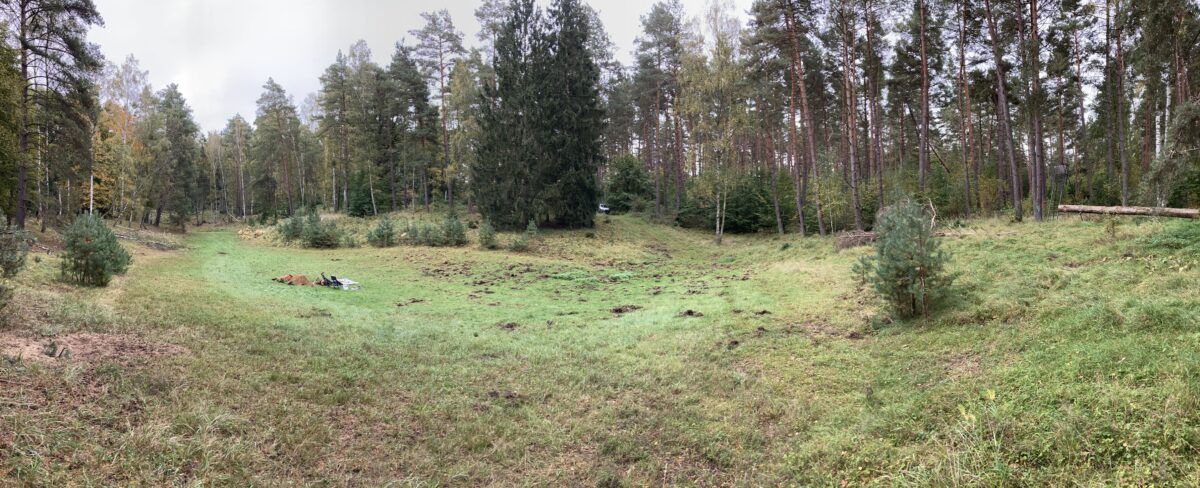
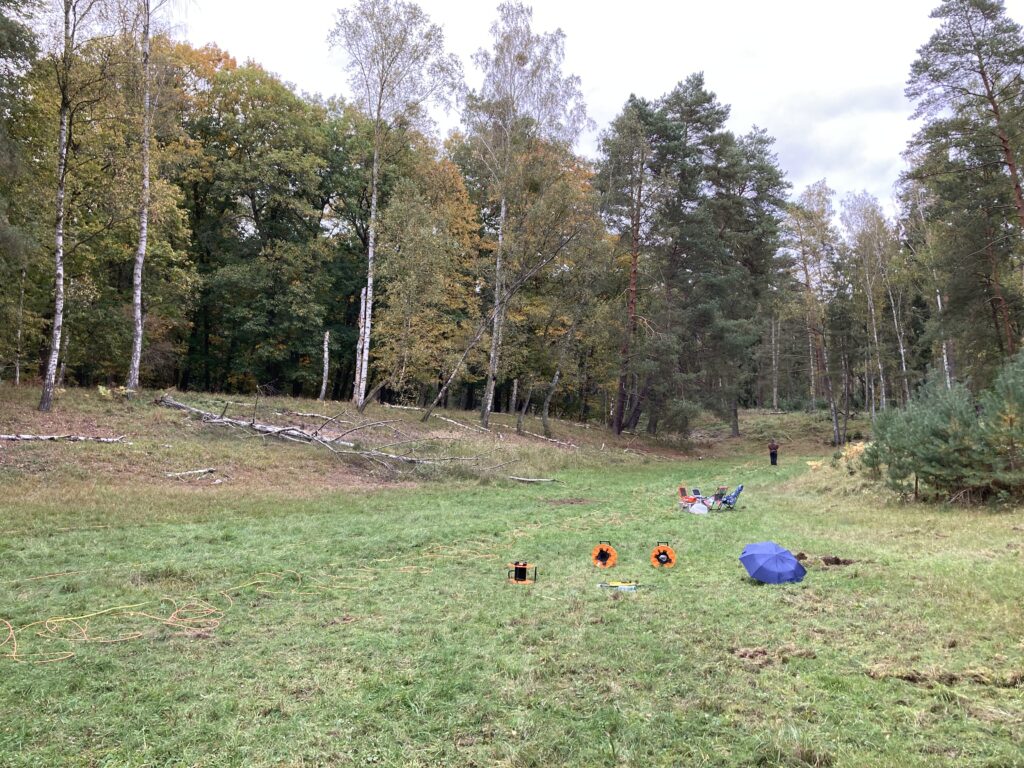
My chapter about Berlin outlines the general geological, geochronological and geomorphological framework of the city area, highlighting several exemplary landscape features. The text goes on to discuss some examples of young salt movements, such as in Lübars, where the salt has pushed Oligocene clays to the surface and where also some surface cracks can be found.
I’ve also co-authored a chapter on the „Morphological Transformation of the Landscape in Lower Lusatia by Opencast Mining“ in the same series together with Margot Böse.
Hardt, J. (2025). The Geomorphology of the City of Berlin. In: Lehmkuhl, F., Böse, M., Krautblatter, M. (eds) Landscapes and Landforms of Germany. World Geomorphological Landscapes. Springer, Cham. https://doi.org/10.1007/978-3-031-77876-6_8
Böse, M., Hardt, J. (2025). Morphological Transformation of the Landscape in Lower Lusatia by Opencast Mining. In: Lehmkuhl, F., Böse, M., Krautblatter, M. (eds) Landscapes and Landforms of Germany. World Geomorphological Landscapes. Springer, Cham. https://doi.org/10.1007/978-3-031-77876-6_10