„The thoughts of the diligent tend only to plenteousness: but every one that is hasty hasteth only to want.“ (Proverbs 21:5)
It has been four years since we embarked on our research journey with the project ToRoll: Materialized Holiness. Along the way, we have discovered and experienced much. Some of this we have already shared in this blog, while other insights have been presented at conferences, workshops, and various other occasions. At this point, we take a moment to look back on the recent past—and at the same time, forward into the future—because the end of the project’s official term does not mark the end of our research, not least thanks to the publications born from and still emerging through the project.
We begin with the joyful announcement of the founding and launch of the new yearbook:
Creating Holiness: Yearbook on the Production and Reception of Religious Writings

Born out of their project work, the yearbook is edited by Annett Martini, Shervin Farridnejad, Thomas Rainer, and Dana Eichhorst. It is a peer-reviewed publication dedicated to the interdisciplinary exploration of religious textuality. It positions itself as a forum for open academic exchange and seeks to foster an international research community engaged with the production and reception of religious texts. Published as thematic issues, each volume addresses key dimensions of religious writing practices—including the materiality, performativity, and emotionality of writing—as well as theological, liturgical, ornamental and artistic concepts that have historically informed, and continue to shape, the design, perception, and reception of sacred texts. The emergence of sacred or religious writings is understood as a cross-cultural and identity-forming phenomenon, the study of which offers valuable contributions to the history of knowledge and sheds light on interreligious and transcultural dynamics.
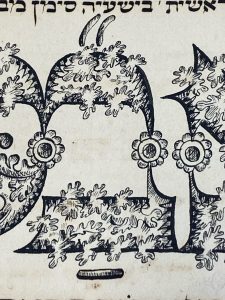
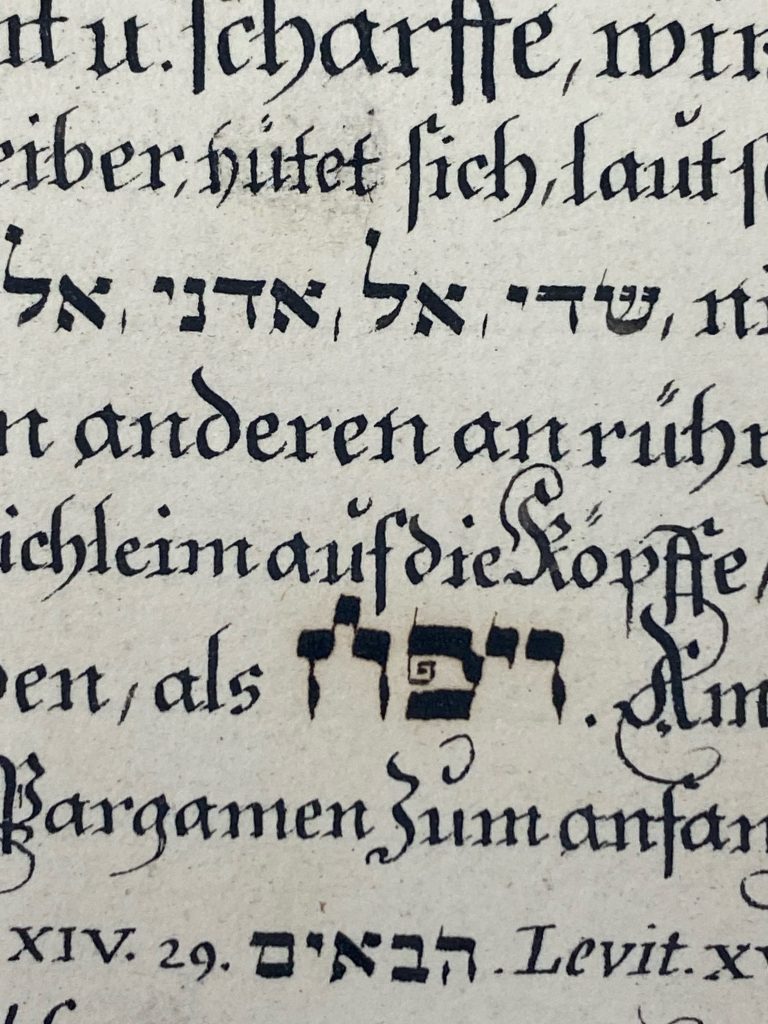
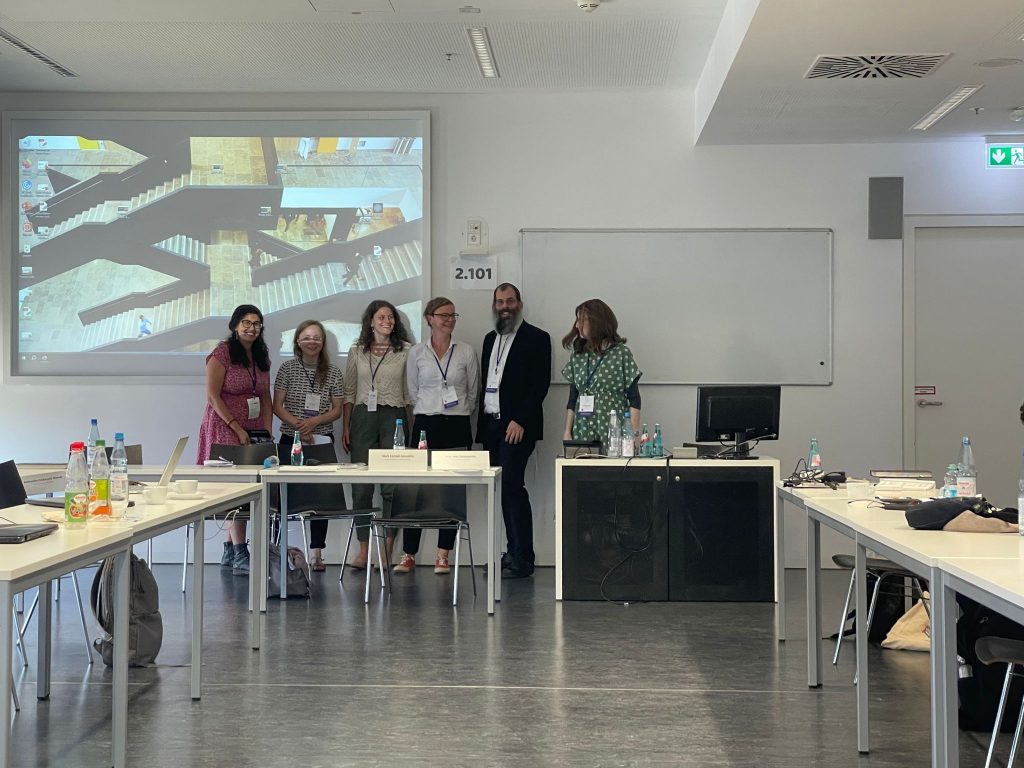
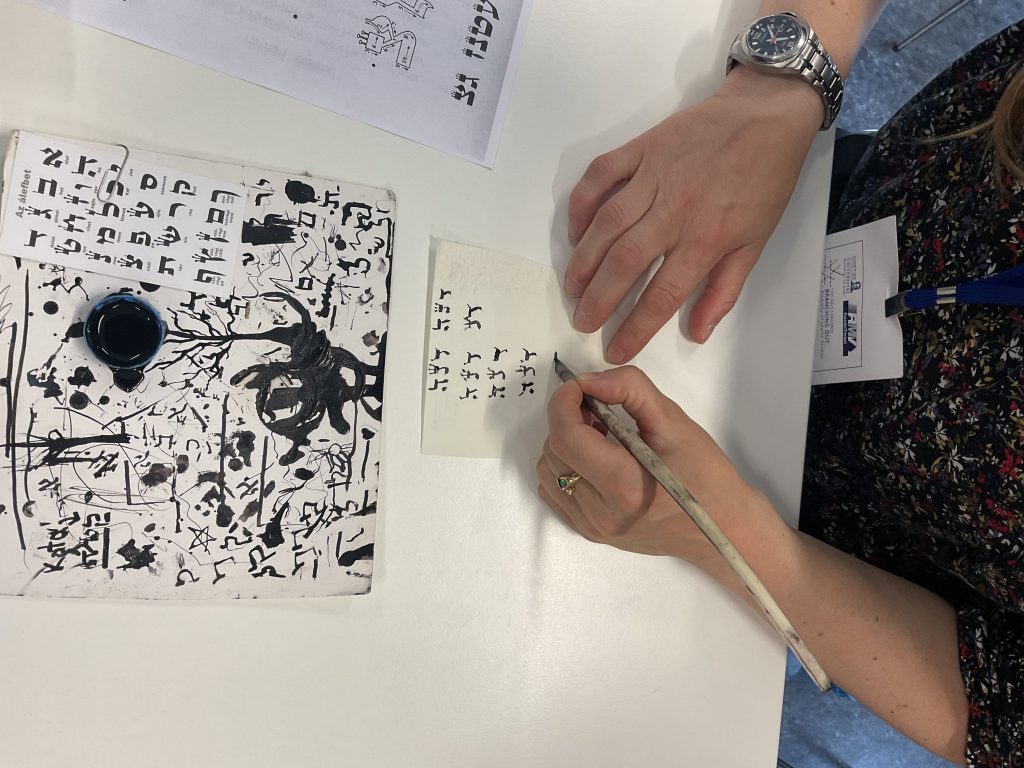
The first volume of the yearbook, featuring papers from our workshop on theOrigin, History, and Interpretation of the Tagin and Otiyyot Meshunnot in Writing the STaM is scheduled for publication later this year. This first volume seeks to present material evidence and new insights into the origins of the Tagin, alongside diverse sources that describe the shape of unusual letters. The phenomena of the Tagin and Otiyyot Meshunnot in the writing of the STaM are examined primarily from two perspectives: paleographic and exegetical.
Alongside the significant achievement of establishing the yearbook, another major milestone has been reached with the securing of initial funding for the HaZen (Handschriftenzentrum). This international research centre led by Annett Martini aims to develop an interdisciplinary fellowship program that will serve as a foundational pillar for the eventual creation of the research institution. Its focus will be on the production, transmission, and cultural practices surrounding sacred texts and images, fostering dialogue between Jewish, Christian, and Muslim scriptural cultures alongside writing traditions from Asian, African, and South American societies. (Further details will be announced in due course.)
After these glimpses into the future, let us now look back chronologically at events from the past year that were no less significant for the project and the realization of its research objectives.
On February 20, 2026, a special circle was completed. While in our first project year we presented our research as a poster at the annual DHd conference, which was then held in Trier and Luxembourg (where we also won the Poster Slam award), in this—and our final—year at the DHd in Vienna, we shared our findings through a lecture with the digital humanities research community. This year’s theme, Nicht nur Text, nicht nur Daten (“Not Just Text, Not Just Data”), resonated strongly with our own approach to the research subject. Our paper, “Vom Close Reading zum Distant Reading bei der Erforschung paläographischer Besonderheiten in Torarollen,” examined how digital methods can complement, deepen, and broaden traditional close readings in the study of palaeographical features of Torah scrolls. By moving from close to distant reading, the paper demonstrated how computational approaches enable the systematic analysis of scribal variation across large corpora.1
At the end of January this year, we traveled to the Greek island of Rhodes to trace the history of a special Torah scroll, whose story is closely intertwined with the eventful history of the former Jewish community in Rhodes.
The international workshop Echoes of Rhodes organized for this purpose was more than a scholarly exchange—it brought together descendants of survivors from the once-thriving Rhodes community, now scattered around the world, with researchers and members of the present-day community. The workshop created a space for interdisciplinary exchange on the materiality, transmission, and ritual significance of Torah scrolls and other objects connected to Sephardi written culture in the Greek Mediterranean.

This gathering of people from Argentina, Germany, Greece, and the USA sparked deeply personal as well as scholarly conversations about memory, historical research and Jewish material tradition.

Around the same time, a special exhibition came to a close in the project’s home city at the Berlin State Library. The exhibition – Sacredness materialized Jewish book art in ritual context – showcasing true treasures of Jewish book art from the library’s collection, was developed in close collaboration with our project and the State Library.

From mid-October 2025 until the end of January 2026, numerous Hebrew manuscripts were made accessible to the public—among them outstanding object such as the largest surviving Hebrew Bible from the group known as the Erfurt Giants, a Torah scroll, and two particularly impressive illuminated Esther scrolls, the Hamilton Siddur with its exceptional book design, as well as many other manuscripts, each with its own fascinating history and provenance. The exhibited items vividly demonstrated the material, aesthetic, and ritual dimensions of Jewish scribal tradition.2
Apropos scribal tradition! While all of the exhibited, some quite ancient, manuscripts were very likely written by men, the exhibition also built a bridge to our present day. The short film shown in the exhibition, “That’s How You Make a Torah” by Lauren Greenhal,3 provides insight into the significant role of women as scribes of sacred texts such as Torah scrolls. At the same time, it highlights the challenges involved—such as the availability of necessary materials like kosher parchment. The protagonists of the film are Jen Taylor Friedman, the first woman known to have written a Torah scroll and founded the first generation of female scribes, and Rabbi Linda Motzkin, who also became a pioneer in a male-dominated field.
Through the exhibition and its accompanying guided tours, lectures, and events, the project—and especially the manuscripts themselves—reached audiences beyond the scholarly community, attracting a wide range of visitors. The exhibition highlighted how holiness in Judaism is not only a theological concept but also materially embodied through parchment, ink, script, and ritual practice.
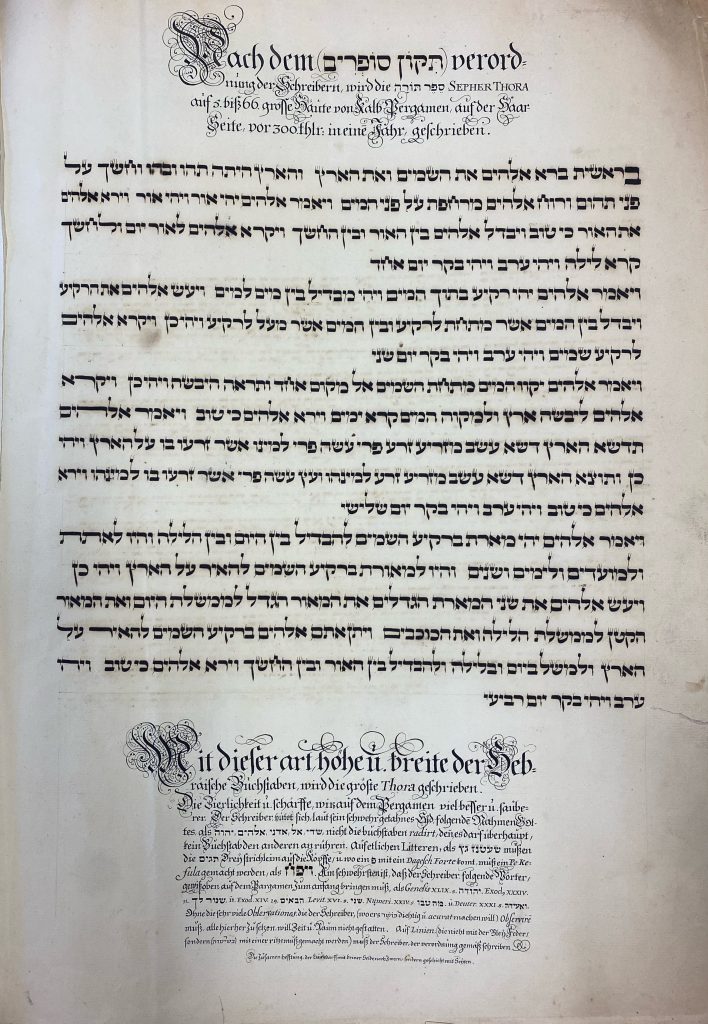
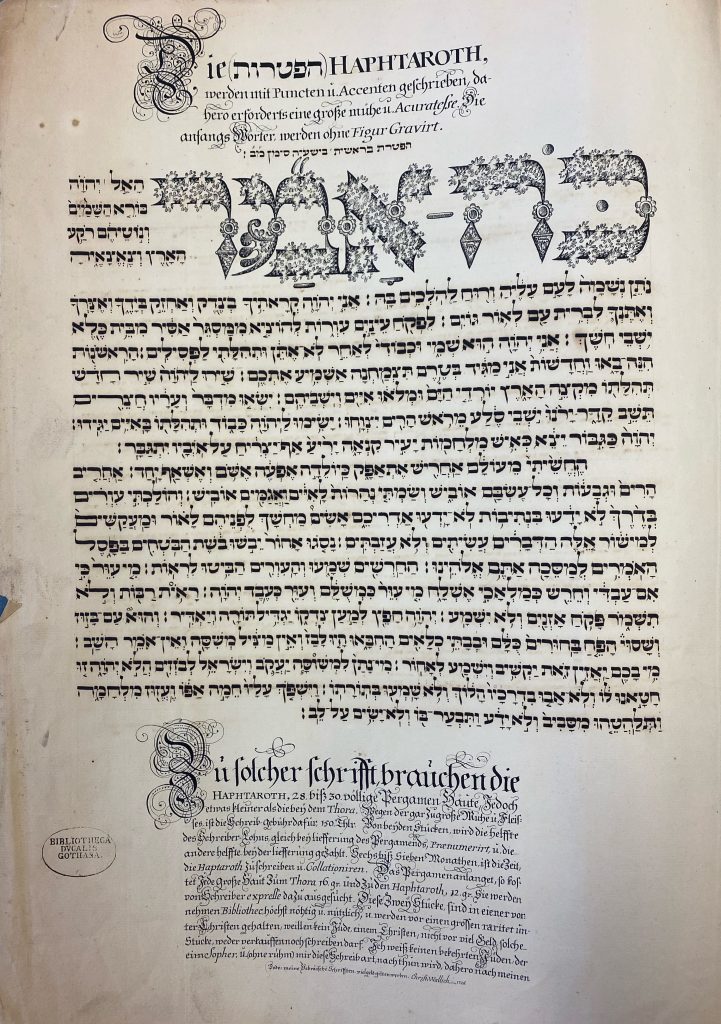
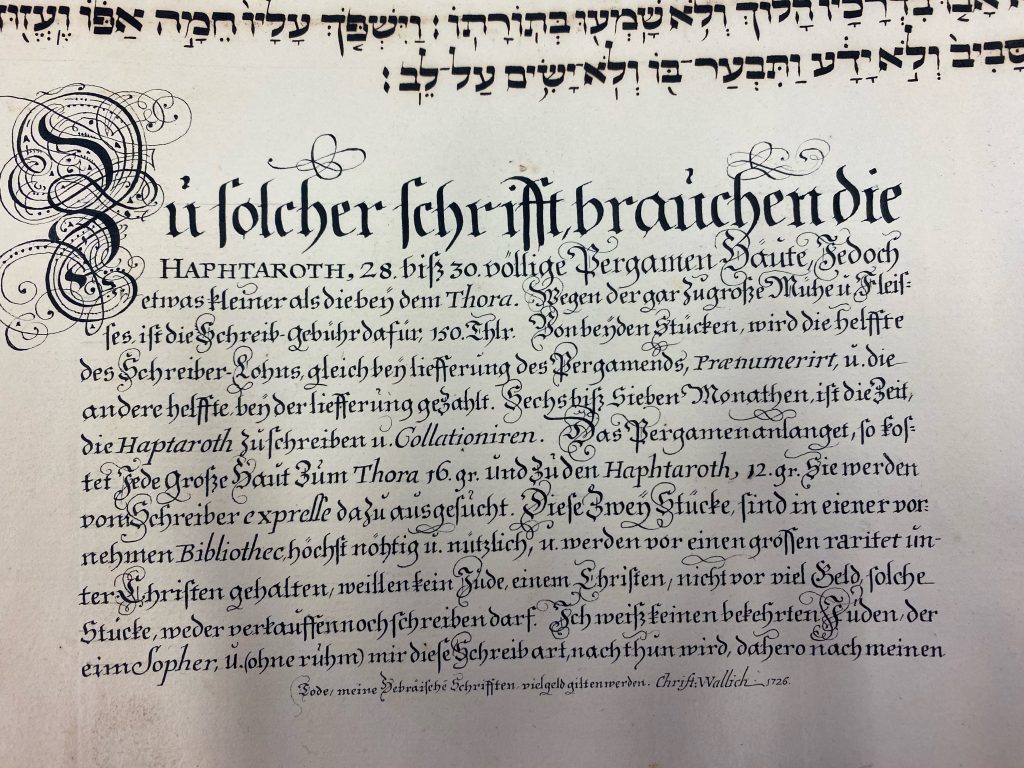
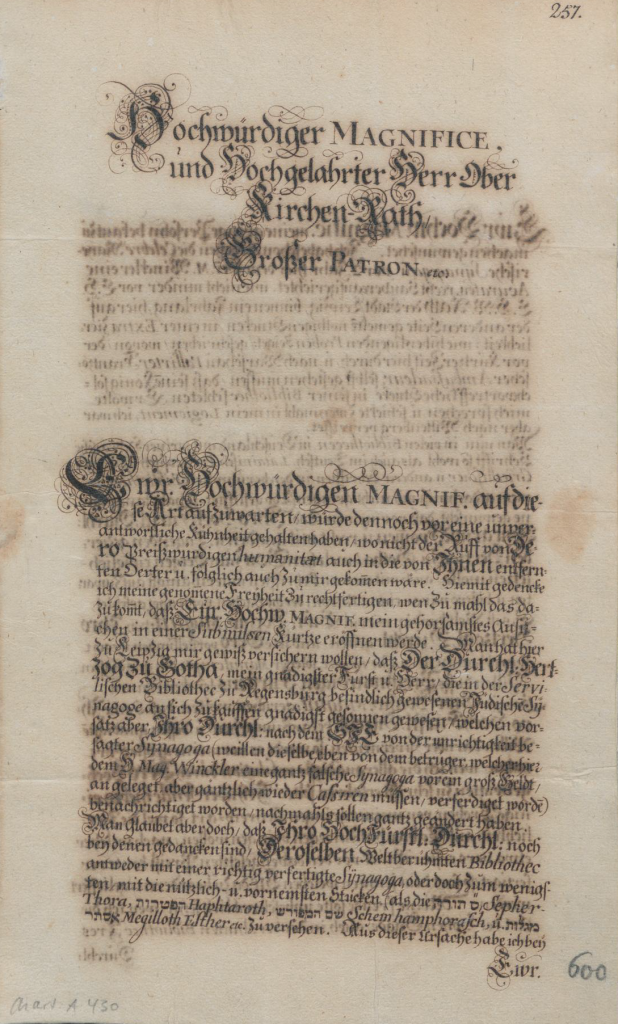
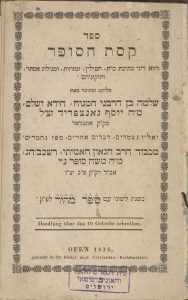
The exhibition at the State Library was accompanied by an anthology edited by Annett Martini and published by Deutscher Kunstverlag, titled Materialisierte Heiligkeit. Jüdische Buchkunst im rituellen Kontext. This collection of articles and essays takes a closer look at selected objects and documents from the Library’s collection, including an early medieval blue Quran, early modern Esther scrolls, a 19th-century Jewish scribal manual, and, of course, the Erfurt scrolls. Other contributions explore the role of writing in Jewish mystical traditions, the history of Hebrew manuscripts in the State Library, and the work and experiences of today’s scribes.

Less visible but no less important are, on the one hand, the scholarly articles produced in recent months across various academic publications, and on the other hand, the editions of Hebrew sources that are significant for the research project. A bibliography listing the individual publications can be found on the relevant section of our project homepage,4 and the digital editions will also be made available shortly.
- https://zenodo.org/records/18696391 ↩︎
- https://stabi-kulturwerk.de/portfolio-item/sacredness-materialized/?lang=en ↩︎
- https://www.laurengreenhall.com/scribe-women ↩︎
- https://www.geschkult.fu-berlin.de/en/e/materialisierte-heiligkeit/publikationen/index.html ↩︎
Written by Dana Eichhorst, with thanks to Annett Martini & Katharina Wendl for their contribution.