Since my Bachelor’s thesis focused on femicides in Mexico and I was simultaneously working in migration policy in Berlin, it was clear to me that I wanted to do an internship in Mexico in this field. Thanks to the Erasmus+ program, I spent four months working with the human rights NGO Fundación para la Justicia y el Estado Democrático de Derecho (FJEDD) in Mexico City.
FJEDD, a non-governmental, non-religious organization founded in 2011, is dedicated to securing justice for victims of human rights violations, strengthening the rule of law, and combating impunity. Its key focus areas include:
-
- Serious Human Rights Violations – Investigating and addressing
- Migration & Policy – Advocating for migrant rights, particularly concerning disappearances, state accountability, and the militarization of migration policies at Mexico’s borders.
- Violence Against Women – Combating gender-based violence and
- Justice & Public Policy – Developing strategies to reinforce democratic
Through online research, I found that FJEDD’s work aligned perfectly with my interests. The organization engages in research, strategic litigation, and advocacy to remove barriers to justice. It collaborates with affected families, civil society, and international bodies to establish transnational mechanisms for locating disappeared migrants and supporting their families. Additionally, it provides access to political education through investigative reports and materials on human rights issues.
My Responsibilities:
-
- News Monitoring – Filtering and categorizing news on migration, policies, clandestine graves, and crimes against
- Management of English X (Twitter) Account, Website Content, and Instagram – Creating content on:
-
- Trump’s campaign and migration-related misinformation
-
-
-
-
- Cartographic infographics on border violence
- The benefits, causes, and challenges of migration
- Human Rights Dictionary posts explaining migration-related terms
- Alerts on significant events and research-based content
-
-
-
- Project Collaboration with Columbia University, New York – Analyzing data on migrant massacres, legal case databases, and interviews with victims‘ families to identify trends, dangerous routes, and links between massacres, militarization, and narco-violence.
- Data Analysis – Compiling and synthesizing research to document correlations between militarization, narco-violence, and the disappearance/murder of migrants.
Working in an NGO means balancing independence from the state while relying on external funding. It can be precarious and stressful, yet deeply meaningful. I was inspired by the passionate individuals fighting for change, participating in demonstrations, and engaging empathetically with affected communities. The topics were heavy, but the experience was invaluable.
Life in Mexico City
As one of the largest cities in the world, Mexico City can be overwhelming, but for me, it was an exciting and rewarding experience. Choosing this urban jungle for four months was the right decision. I quickly found a great group of local friends while attending concerts, as the city offers an immense range of cultural activities, from festivals and museums to exhibitions.
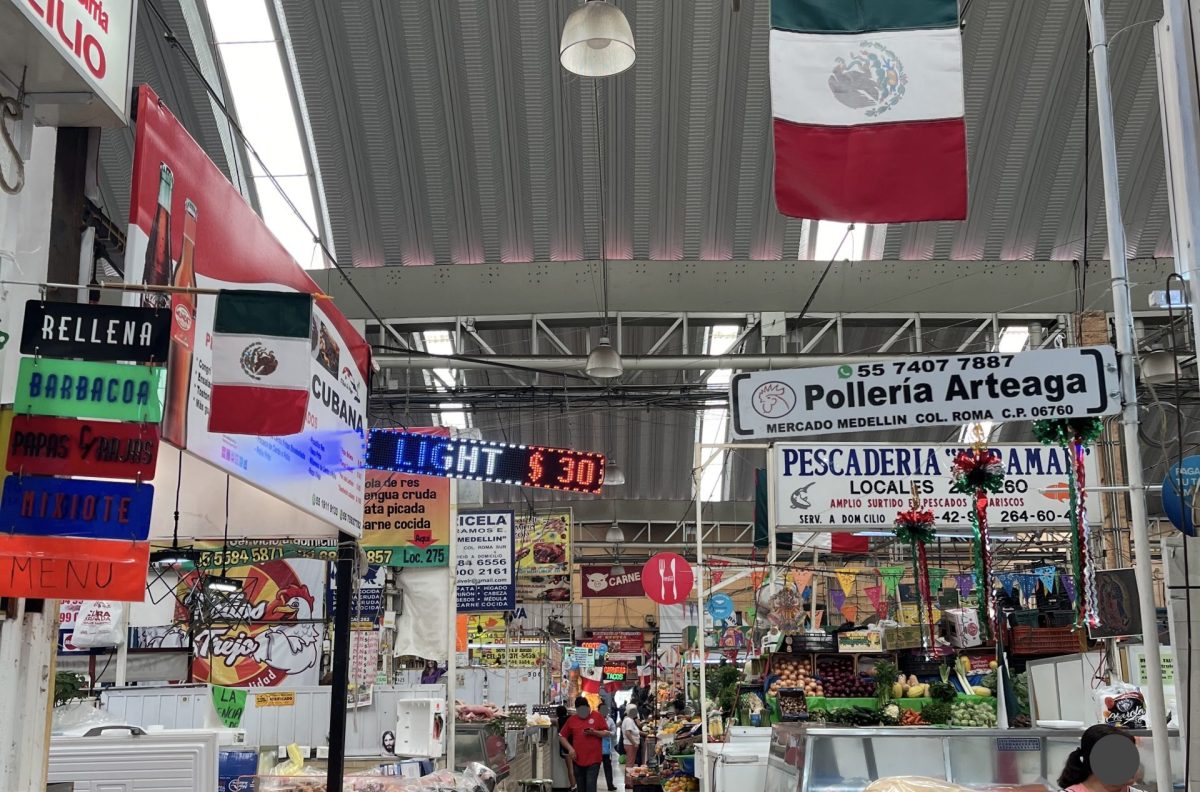
I chose to live in a less gentrified neighborhood, which provided a more authentic and relaxed environment while still being central. CDMX is loud, crowded, and has significant air pollution— something to be prepared for. It was also more expensive than I expected, but the phenomenal street food, available every few meters, was something I took full advantage of.
Fortunately, I will stay in contact with FJEDD and write my Master’s thesis in cooperation with them next semester, conducting a geographic analysis of migration violence (such as massacres, and disappearances). This experience has deepened my understanding of human rights in Latin America, improved my Spanish, and expanded my awareness of international frameworks and advocacy strategies for human rights.
Tips for Future Interns in Mexico City
Preparation
Spanish is essential when working in a Mexican NGO. I arrived with a B1 level, which was sufficient but sometimes challenging, especially when dealing with legal contexts. Since my social media work was mainly in English, it was manageable, but all other tasks and meetings were conducted in Spanish. That’s why I also took Spanish classes alongside my internship, which I highly recommend.
Visa Application
-
- Up to 180 days, unpaid: No visa required, entry with an FMM (Forma Migratoria Múltiple).
- More than 180 days or paid internship: Visa required, application in
- NGO internships: Check with your organization about the recommended visa
Finding an Internship
I researched NGOs focused on human rights, migration, and femicides and applied to three or four organizations. FJEDD was the first to respond, and fortunately, it was the one I most wanted to join. If you are interested in similar topics, start your search early, as response times can vary.
Finding Accommodation
I found a room through a friend’s contact in Mexico City. It was a great coincidence that the apartment was only a seven-minute walk from the NGO, which is rare in such a large city.
I paid around €420 per month, which is not particularly cheap. Rent varies between €280 and €600, depending on the neighborhood, similar to Berlin. I lived in Narvarte (highly recommended) which is authentic and not that gentrified.
Health Insurance
I was insured through Techniker Krankenkasse (TK) and had additional international coverage via Envivas. If you remain registered in Germany as a student, you must continue paying German health insurance contributions.
-
- Accident insurance: Ammerländer Versicherung VVaG
- Liability insurance: Provinzial
I never had to use them, so I cannot provide feedback on the claims process.
Vaccinations
Before my internship, I updated my vaccinations:
-
- Hepatitis A
- Hepatitis B
- Typhus
- Tetanus
- Dengue
Techniker Krankenkasse covered all vaccination costs. It is advisable to start at least six to eight weeks before departure, as some vaccinations require multiple doses.
Things to Be Aware Of
Mexico City is located at an altitude of 2,200 meters, which can cause mild headaches or dizziness for sensitive individuals. Symptoms usually occur above 3,000 meters, but staying hydrated helps.
Earthquakes occur, especially in September. I experienced three minor ones. The city has an early warning system, and when it sounds, people leave buildings and gather in the streets. Warning App: SASSLA
I felt very safe throughout my stay and never encountered any issues. However, some areas should be avoided at night, especially when alone.
Formalities on Arrival Phone & Internet
I highly recommend getting a TELCEL Sim Card (Telcel-Amigo Sin Límite) at the airport upon arrival. It offers the best coverage, unlimited social media usage, and reliable service almost everywhere in the City.
Banking & ATMs
I used a DKB debit card and a Barclays credit card, both of which are free and work at all ATMs. Withdrawal fees range from €2 to €6 per transaction, with Banorte being the cheapest option.
Daily Life & Free Time
Going Out
Mexico City has a wide range of nightlife options, including bars, clubs, concerts, and festivals. Drinks at bars, concerts, and festival tickets cost about the same as in Germany.
Drinking alcohol in public spaces is illegal, so people usually gather at home or in bars.
Food Culture
Mexican cuisine is spicy, and even candy often contains chili.
Street food is excellent, but it is best to avoid raw fruits and lettuce from street vendors to prevent stomach issues.
Supermarkets are relatively expensive, sometimes more costly than in Germany. It is better to shop at markets or from street vendors.
I recommend eating in market halls or fondas (family-run restaurants), where the „Menú del Día“ costs around
€5 and includes 3 to 5 small courses and a drink.
Transport
The metro is very affordable, with a one-way ride costing around €0.23. Getting a MetroCard upon arrival is advisable.
Uber is a safe and reasonably priced alternative, especially at night.
Weekend Trips
Recommended destinations for weekend trips from Mexico City include:
-
- Teotihuacán Pyramids (one hour away)
- Puebla and Cholula (two hours away)
- Guadalajara (four to five hours by bus or a short flight)
Tipping Culture
It is customary to tip at least 15 percent in restaurants. The minimum wage is around €1.50 to €2 per hour, so service workers rely on tips.
Weather (September–January)
Temperatures were consistently between 20 and 25 degrees Celsius. Mornings were a bit cool, but otherwise, the weather was pleasant and sunny.