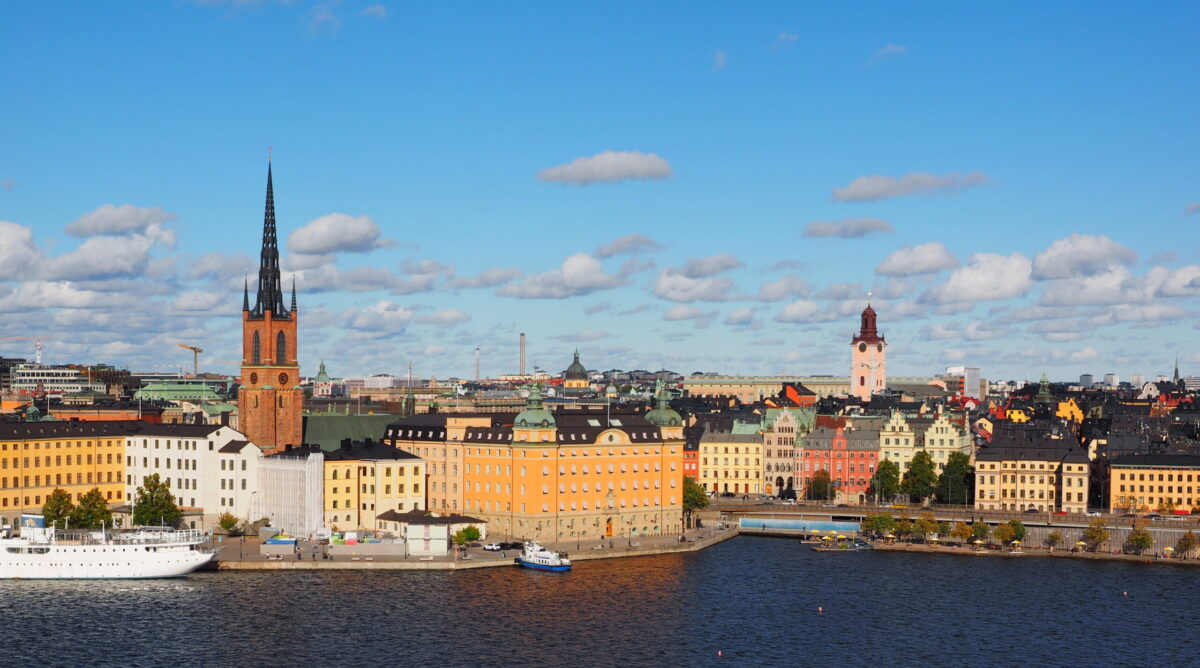
I spend my 6-month graduate internship at the Karolinska Institute in Stockholm, I had the opportunity to work at the Center for Infectious Medicine (CIM) in the Department of Medicine, Huddinge. I was part of a research team focused on understanding the role of innate lymphoid cells (ILCs) in intestinal inflammation, cancer, and asthma, though my specific work concentrated more on T cells. The team I was part of included the team leader and a postdoctoral researcher, and I collaborated with a larger working group comprising PhD students, postdocs, and researchers. The broader aim of our research was to characterize the metabolism of T cells. The main project I worked on aimed to decipher T cell metabolism and how it influences immune responses. This work is important for understanding how metabolic changes can affect immune cell function and potentially lead to novel therapeutic strategies. Some of the main tasks I performed included cell isolation from blood, cell sorting with Flow Cytometry, cell culture, Mitotracker experiments and experiments with metabolic inhibitors.
Additionally, working in a collaborative research environment allowed me to learn from experts in the field, while also engaging with researchers from other groups.
In the first two weeks of the internship, I conducted experiments together with the postdoc of the team. After I got used to the lab, I planned and performed my own experiments. We had weekly meetings in the team and the working group to present our work, discuss issues, and plan future projects.
I lived in a shared apartment provided by KI Housing, located directly on the campus in Flemmingsberg. To apply to the housing program you need the learning agreement and a signed letter of invitation from your supervisor. I recommend applying as early as possible. Karolinska Institutet has two campuses, and the one I worked and lived on is a bit outside of the city. However, Stockholm Central Station was reachable within 25 minutes via the commuter train. In combination with a five-minute walk to work, this was perfect for me.
During the weekends, I explored Stockholm and the surrounding nature. There are many national parks around the city, and I highly recommend visiting the nearby Djurgården Island, where you can enjoy beautiful walking trails and visit attractions like the Vasa Museum and ABBA Museum. If you’re a fan of nature, you should also consider taking a ferry to the Stockholm Archipelago- it’s a great way to explore the unique islands and go hiking in the peaceful surroundings. One of my favorite weekend trips was when I went with some friends to the north of Sweden. We visited the town of Kiruna and the Abisko National Park. The northern landscapes were breathtaking. We were there beginning of December outside of the season and were lucky enough to witness the Northern Lights. I highly recommend taking a trip to the north if you get the chance- it’s an amazing opportunity to experience Sweden’s natural beauty.
Overall, my internship at the Karolinska Institute was a highly valuable experience. I gained practical laboratory skills and a deeper understanding of the immune system, particularly the role of T cells in disease. The working environment was good, with supportive Kollegen es I also had a great time living in Stockholm and meeting new friends.
Tips for other Interns
Preparation
- Check which campus you are on if you are doing an internship at Karolinska. Solna is closer to the city and Flemmingberg is outside of the city. I met people who did not know that before.
- South of Sweden, Stockholm included, is a risk area for ticks and TBE, and it is recommended to get vaccinated against it (FSME-Impfung in German)
- You can travel from Berlin to Stockholm by night train.
Visa application
No need for EU-citizens
Internship search
During my Master’s thesis, I asked people at the institute for tips on internships and was recommended various working groups in the field of immunobiology. I then wrote several applications, including one to the Karolinska Institute.
Apartment search
KI Housing is a program of the institute. It offers accommodation for international students and visiting researchers at Karolinska Institutet. The maximum rental period is one year, making it ideal for Erasmus students. (https://ki.se/en/about-ki/ki-housing) I recommend to apply to KI Housing as early as possible to secure housing, but you must have the Learning Agreement signed by all parties and an invitation letter from the KI research group. KI Housing offers different housing options e. g. studio apartments or shared apartments. I applied for the Campus in Flemmingsberg, because my working group was located there. The shared apartment includes internet, has a washing machine and is well-equipped.
Insurance
I used the Group Insurance from DAAD for health, accident and liability insurance.
Others
Flemmingsberg is located outside of the city, so I recommend purchasing a public transportation ticket based on how long you plan to stay. During my internship, I was able to register with Medicinska Föreningen. My supervisor had to sign a “Certificate of Current Studies at Karolinska Institutet,” and there was a small fee. However, it’s definitely worth it since public transportation can be quite expensive. With the student union membership, I was able to get a Mecenat student card, which offered discounted public transport prices. Additionally, Mecenat provides discounts for museums and other services for students.
Formalities on Site
Telefon/Internet
I used my existing contract from Germany (EU-Roaming). The shared Apartment at the KI-Housing had WiFi and you could use Eduroam at the institute.
Bank/Accountopening
You can pay everywhere with card. You do not need cash. I opened a free account with another bank in Germany because they do not charge any fees for paying in foreign currency.
Everyday life/leisure time
Going out options
There were supermarkets and a few places to eat right on campus in Flemmingsberg. I was also able to use the Karolinska Institute gym there, which offers some classes like yoga.
It takes about half an hour to get to Stockholm. Stockholm has a lot to offer. There are many restaurants, bars and clubs, as well as museums.
I always went to a running club near the central station, which was perfect for socializing.
Sweden’s nature is really beautiful and you can reach many nature reserves from Stockholm to go hiking.
Others
If you are in Stockholm in winter, I would recommend going to northern Sweden for a long weekend.