By: Cordula Dittmer and Daniel F. Lorenz
Original German version updated as of March 29, 2022, 2:00 PM
Translated version published July 30, 2024
Due to the now very dynamically evolving situation, we have decided to update our contribution from March 5, 2022 and March 11, 2022 (see below).
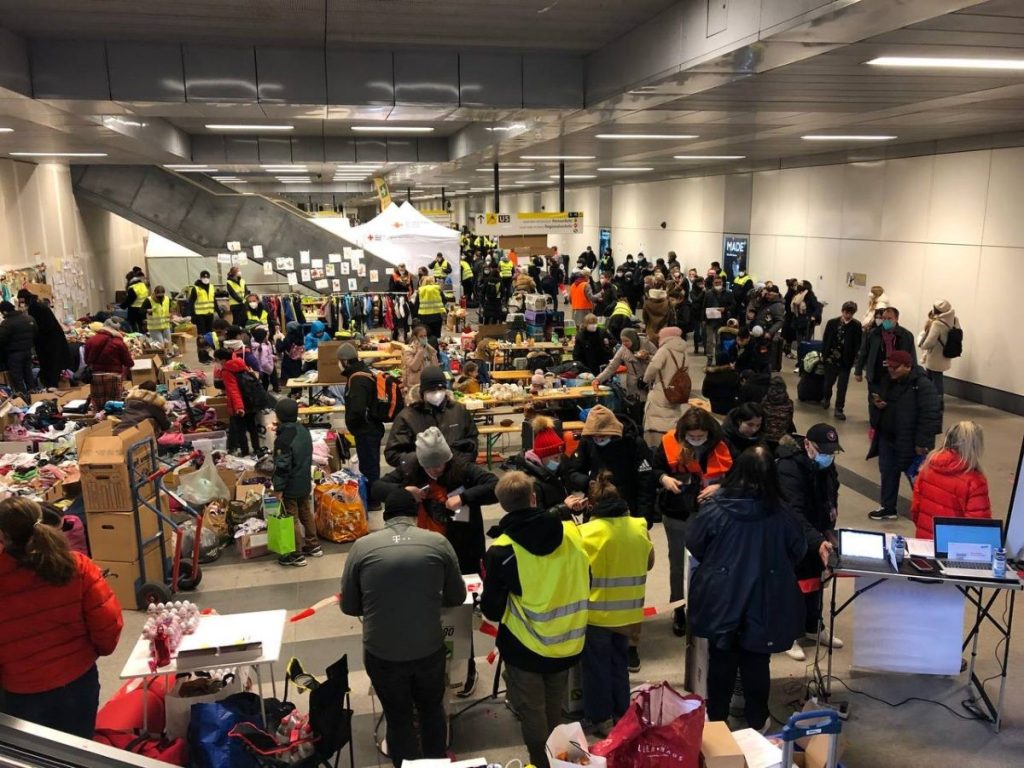
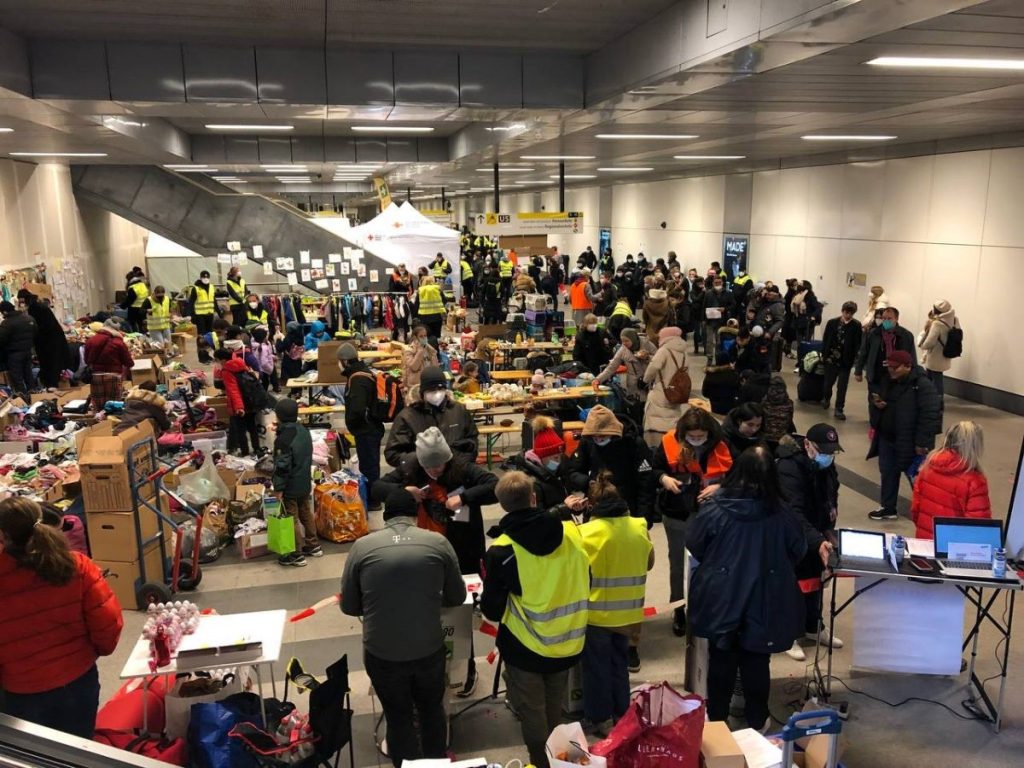
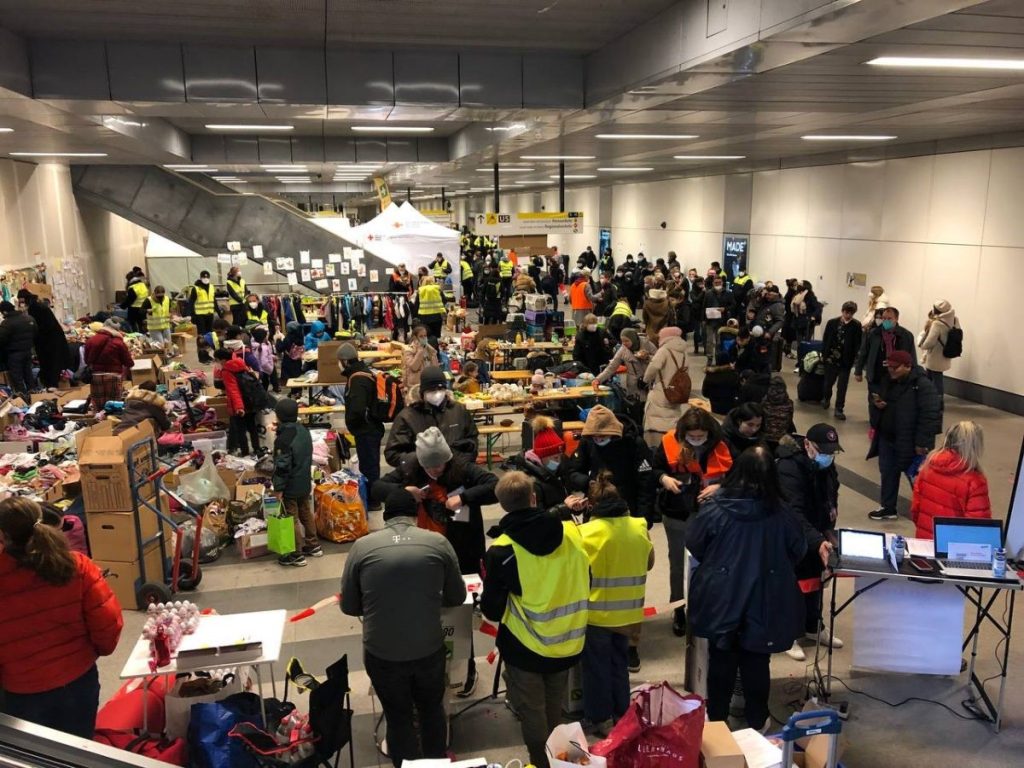
Since the summer of 2015, we at the KFS initially focused on the KatFlucht project, and from October 2018 onwards, on the WAKE project to examine the management of the refugee situation in 2015/16 by German and European civil protection and disaster relief agencies. That less than seven years later we would again be facing massive refugee movements in Europe was unforeseeable. In the (social) media, references to the end of World War II or to 2015/16 are increasingly being made. UNHCR describes it as an exodus, which occurs extremely rarely. UNHCR has now classified the situation in Ukraine as a “Level 3 emergency” the highest category. As of March 28, 2022, UNHCR has registered 3,901,713 refugees; in addition, there is a nearly twice as large number of internally displaced persons in Ukraine. Our analytical focus is on the response to the situation by governmental and non-governmental actors, especially civil protection and disaster relief: We are currently observing both very similar and quite different forms of coping compared to 2015/16.
Continue reading “2. UPDATE: Similarities and Differences in the Refugee Situations of 2022 and 2015/16 – Some Situational Observations and Theses from the Perspective of Social Science Disaster Research”